

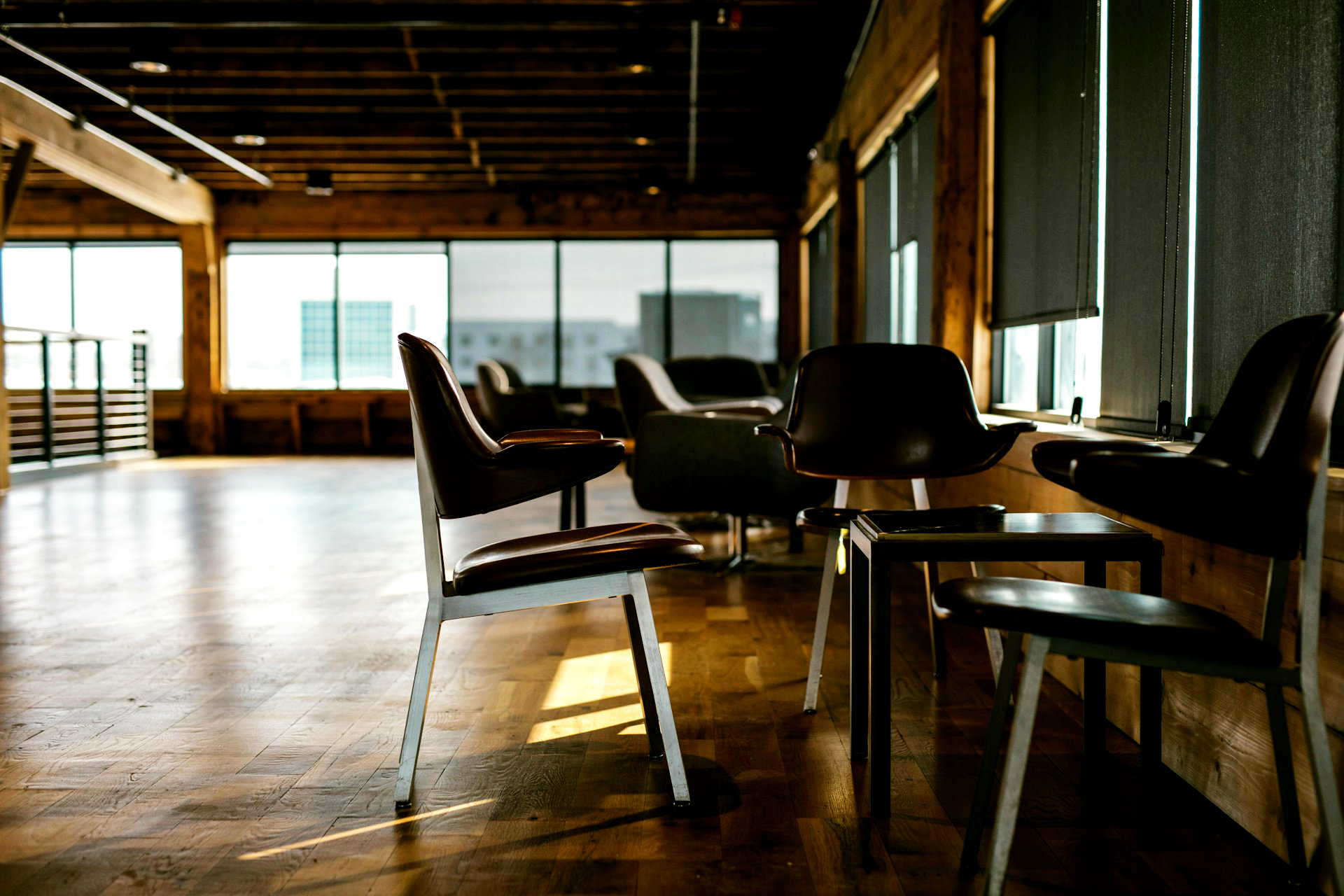
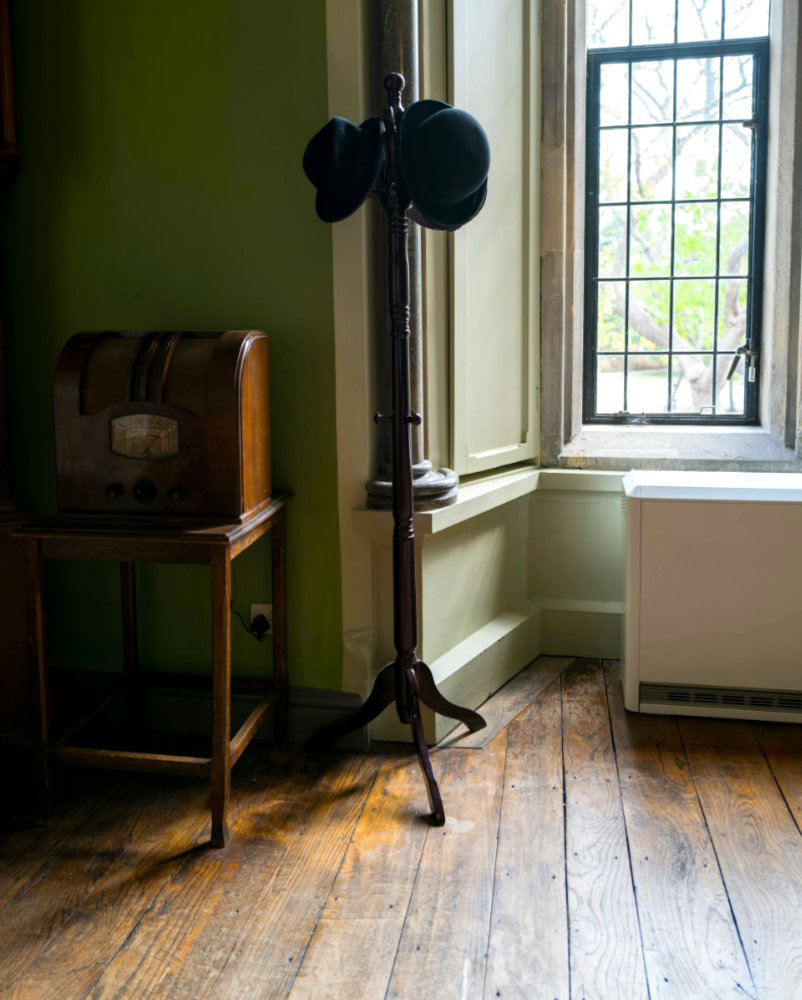
It helps to understand how each stage works together to rebuild the look and strength of your timber floors. A proper restoration follows a sequence that starts with creating a clean and safe workspace, then moves into removing the worn surface layer, addressing any gaps or imperfections, and finally applying a protective finish that highlights the timber’s natural character.
Each step depends on the one before it, which is why a structured approach is essential for achieving an even, durable, and visually consistent result. Key steps include the following.
Preparation
Proper preparation lays the foundation for a smooth and consistent restoration. Begin by clearing the room entirely so the sanding equipment can move freely without obstruction. Any fixtures or surfaces that cannot be removed should be protected with suitable coverings to shield them from dust and accidental scuffs.
Once the space is ready, take time to examine the floor closely for raised nails, loose boards, or sections that shift underfoot. Securing these areas early prevents damage to the machinery and ensures an even result when the sanding begins.
Sanding
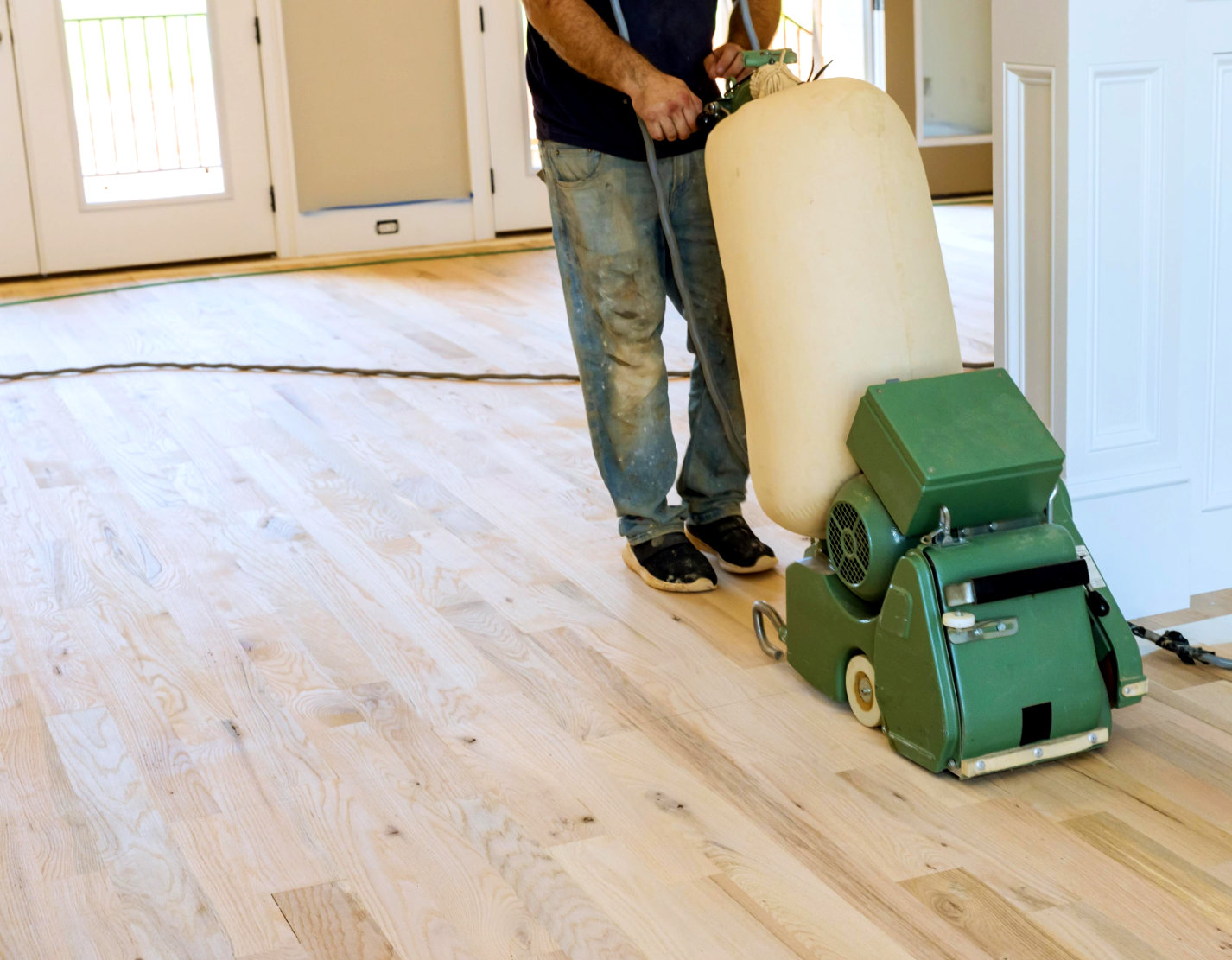
Sanding is the stage where the floor begins to reveal its true condition. Using a professional-grade floor sander, the surface is worked in steady, overlapping passes to remove old varnish, deep-set grime, and the marks left by years of foot traffic.
The first pass typically uses a coarse-grit abrasive that cuts through the existing finish and helps level out uneven boards or prominent scratches. This initial cut often exposes the raw timber for the first time in decades. Once the major imperfections are removed, the process continues with medium and then fine-grit papers that gradually smooth the surface and refine the timber’s texture.
Each change in grit reduces the appearance of sanding lines and prepares the boards for a clean, even polish. Areas the larger machine cannot reach, such as corners, edges, stair treads, and tight sections around built-ins, are handled separately using edge sanders or hand sanding. This attention to detail ensures the entire floor (every board, join, and edge) is prepared to the same standard, creating a uniform surface that will take the final finish evenly and look consistent throughout.
Filling and Repairing
Once the initial sanding is complete, the floor is assessed in detail to identify any gaps, cracks, nail holes, or small voids that can affect the final appearance. These imperfections are filled with a timber-matched filler that complements the existing grain and colour, helping the repair sit naturally within the boards.
After the filler has set, the area is lightly sanded to bring it level with the surrounding surface. This careful blending prevents visible lines or patches once the finish is applied and ensures the restored floor looks consistent from edge to edge.
Polishing
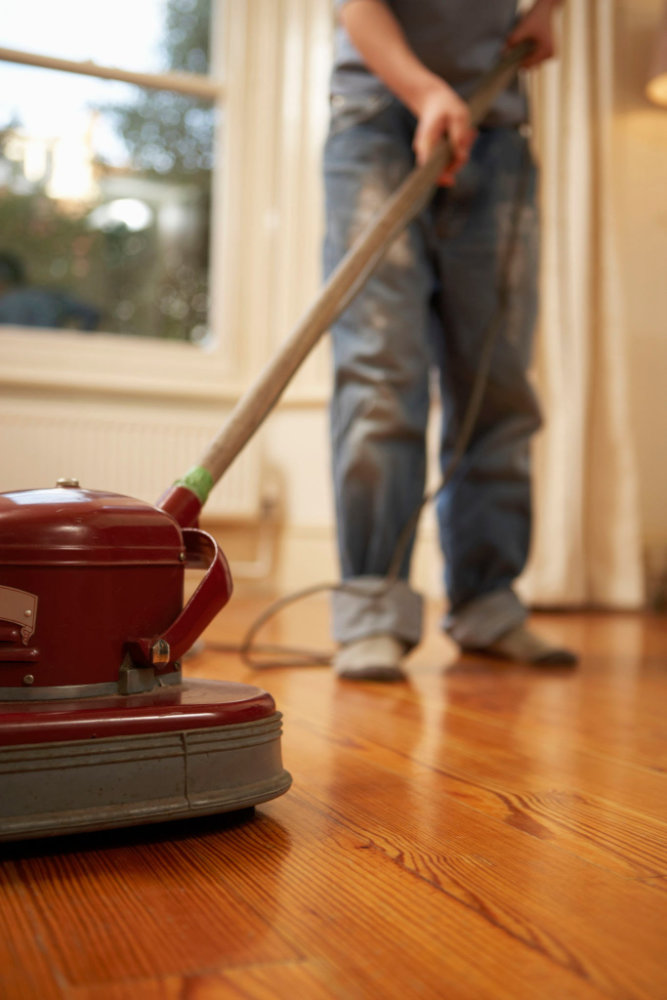
Polishing is the stage where the restored surface gains its depth, colour, and long-term protection. Once the floor has been sanded smooth and repairs have been blended in, a suitable finish is selected to align with the look and durability you want.
Options such as water-based or oil-based polyurethane, penetrating oils, or traditional waxes each offer different levels of sheen, warmth, and maintenance requirements. The finish is applied carefully with brushes, rollers, or applicator pads, ensuring even coverage across every board. Several coats are typically needed, with proper drying time between each layer.
Light sanding between coats removes dust particles and minor imperfections, allowing the next layer to settle cleanly. When the final coat cures, the timber reveals its natural grain and richness, leaving you with a polished floor that feels fresh, durable, and visually consistent.

Restoring ageing timber floors is a rewarding process, but it demands time, precision, and the right technical approach. Professional sanding and polishing teams bring specialised machinery, a deep understanding of timber behaviour, and the ability to achieve a consistent result across every section of the floor.
This level of expertise not only enhances the final appearance but also protects the structure of the boards and helps the finish last longer. We work with homeowners, commercial clients, and caretakers of heritage spaces to bring tired timber back to life.
Our team handles every stage of the process with care, from preparation and repair through to polishing and final detailing. When you want a result that blends visual appeal with long-term durability, our team is ready to assist.